Preparing for a Consultation
You Don’t Need to Have Everything Figured Out
Many people contact a family law attorney during one of the most stressful periods of their lives. It is normal to feel overwhelmed, uncertain, or unsure where to begin.
You do not need to gather every document or know every answer before scheduling a consultation. The purpose of the consultation is to help you understand your situation, identify important issues, and discuss possible next steps.
However, a little preparation can help make the conversation more productive.
How You Should Prepare
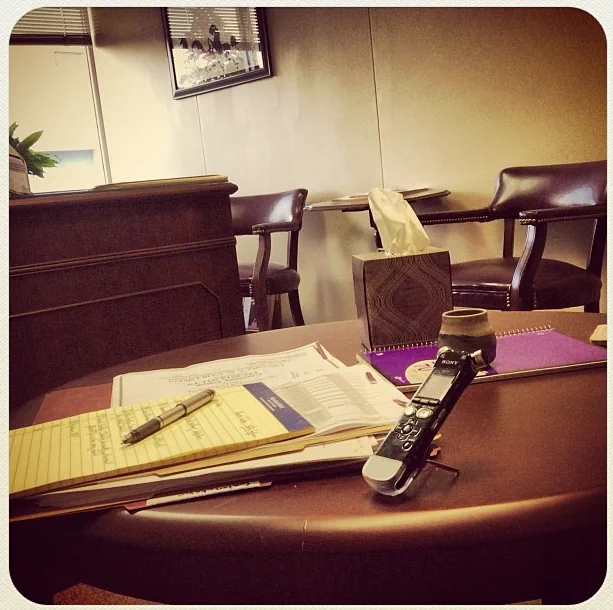
Gather Important Documents If You Have Them:
If documents are available, consider gathering:
- Court orders
- Petitions or legal filings
- Divorce decrees
- Custody orders
- Child support documents
- Correspondence from the other party or attorney
- Financial records relevant to the issues involved
Do not delay scheduling a consultation simply because you are still gathering information.
Prepare Your Questions
Many clients find it helpful to write down questions beforehand. Common questions include:
- What are my options?
- What should I do next?
- What can the court do?
- How long might the process take?
- What are the likely costs?
- What risks should I be aware of?
Writing questions down can help ensure important concerns are addressed.
What You Should Think About
Be Ready to Explain What Is Happening
Before the consultation, take a few moments to think about:
- What problem led you to seek legal advice?
- What concerns are most important to you?
- What questions would you like answered?
- Are there upcoming court dates or deadlines?
You do not need a detailed presentation. A general understanding of the situation is usually enough to get started.
Think About Your Goals
Different people come to a consultation with different priorities. You may want to:
- Protect your relationship with your children
- Resolve a divorce
- Modify an existing order
- Enforce a court order
- Understand your rights and responsibilities
- Develop a plan for moving forward
Understanding what matters most to you helps guide the discussion.
The Goal of the Consultation
A consultation is not about making immediate decisions. It is about understanding your situation, discussing possible paths forward, and determining what steps may be appropriate.
Good decisions are easier to make when you understand your options.