Family Law Appeals
What Are My Options After the Judge Makes a Decision?
After a judge issues a decision, the case is not always over. In some situations, a party may ask the trial court to reconsider a ruling, correct an error, or address issues that were not fully resolved. In other circumstances, a party may have the right to seek review by an appellate court. Understanding the available options, deadlines, and procedures is often an important first step after receiving an unfavorable decision.
If you have concerns about a court’s decision, you may still have options. Having the ruling reviewed promptly can help you understand what steps, if any, are available moving forward.
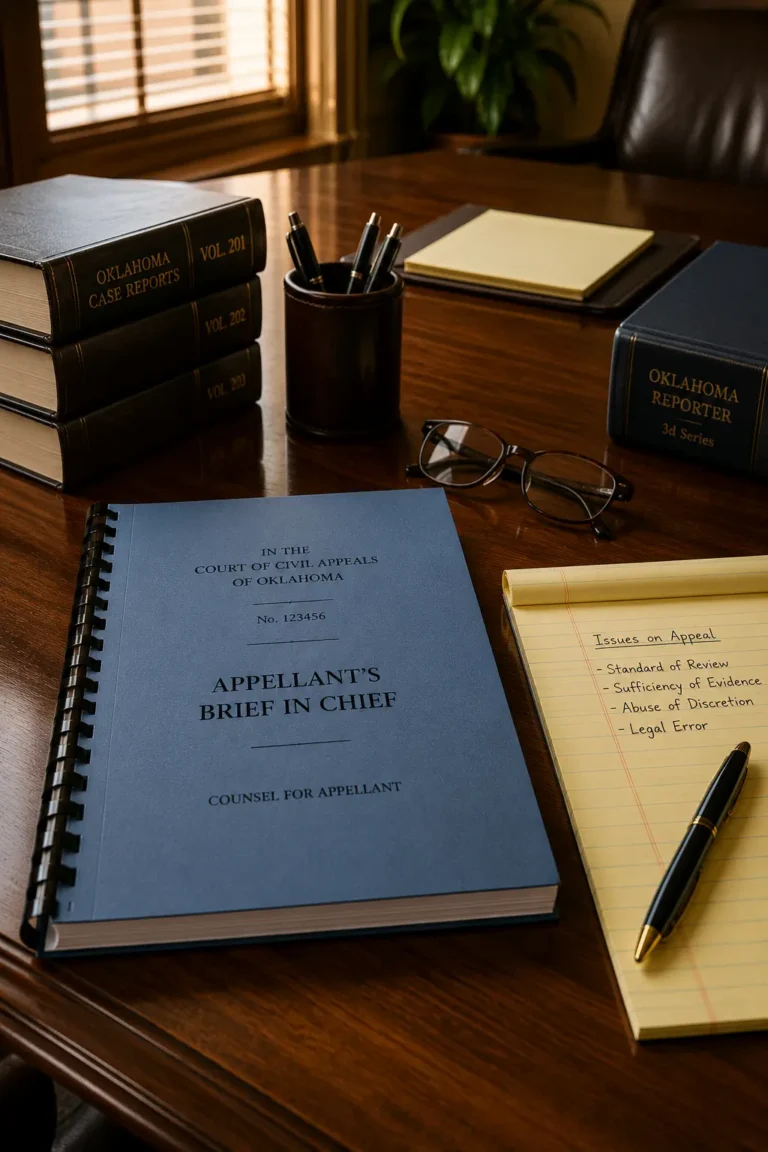
What Options Do I Have After a Court Decision?
After a judge issues a decision, there may be options available to request further review of the ruling. Depending on the circumstances, a party may be able to ask the trial court to reconsider certain issues, correct errors, or address matters that were not fully resolved. In other situations, a party may have the right to seek review by an appellate court.
Post-Trial Motions and Appeals can address:
Why Post-trial Motions and Appeals Matter:
Judges are asked to make difficult decisions based on the information presented to them, but important questions can sometimes arise after a ruling is issued. Post-trial motions and appeals provide a process for reviewing those decisions and addressing potential errors, omissions, or other concerns that may have affected the outcome of the case.
Concerned About a Court Decision?
Post-trial motions and appeals are often governed by strict deadlines, and waiting too long can limit the options available. If you believe a court’s decision was incorrect or needs further review, it is important to seek guidance as soon as possible.
Appeal is often an issue when:
- Overlooked Facts
- Unresolved Issues
- Wrong Law Applied
- Procedural Errors
- Evidence Concerns Major Consequences
- Questions About the Ruling
How We Approach Post-Trial Motions And Appeals
1
Act Without Delay
We begin promptly because post-trial and appeal deadlines can be strict.
2
Gather the Record
We collect the relevant orders, filings, exhibits, and transcripts when needed.
3
Review for Issues
We evaluate the record to identify possible errors, omissions, or procedural concerns.
4
Choose the Right Path
We determine whether a post-trial motion, appeal, or other action best fits the desired outcome.
An appeal or post-trial hearing is not a new trial and does not typically involve presenting new witnesses or evidence. Instead, the court reviews the record of what occurred and considers whether the law was properly applied and whether the proceedings were conducted according to legal requirements.
Deadlines Matter
Post-trial motions and appeals are often governed by strict filing deadlines. Missing a deadline can limit or eliminate available options, which is why prompt review of a court’s decision is often important.
Benefits of Acting Quickly
- Appeal deadlines may expire quickly
- Post-trial motions have strict time limits
- Court transcripts may need to be ordered
- Important rights can be affected by delay
- Missing a deadline may limit options
- Early review provides more flexibility
How to Prepare
Information Commonly Needed for Post-Trial Motions & Appeals:
- A copy of the court’s order or ruling
- Relevant court filings and pleadings
- Information about important dates and deadlines
- Hearing transcripts, exhibits, and court records
Why Preparation Matters
Post-trial motions and appeals are often governed by strict deadlines, making early preparation especially important. Reviewing a court’s decision requires a thorough understanding of the record, including the orders, filings, evidence, and proceedings that were before the trial court when the decision was made. Because post-trial motions and appeals frequently depend on detailed written arguments and legal analysis, having complete information available from the outset can be an important part of presenting the strongest possible request for review.
Not sure what you need or how this works?
Schedule a strategy consultation to get clarity on your case and how we can help protect what matters most to you.
Common Questions
Related Family Law Topics
Child Custody
Child custody cases focus on parenting schedules, decision-making responsibilities, and the day-to-day care of children. Courts are primarily concerned with creating arrangements that support the child’s stability, safety, and best interests.
Child Support
Child support addresses the financial support of children while a case is pending and after final orders are entered. Oklahoma uses guideline calculations based largely on the parties’ incomes and parenting arrangements. This include temporary support.
Temporary Orders
Spousal support, sometimes called alimony, involves financial assistance from one spouse to the other. Courts may consider income differences, financial need, and the circumstances of the marriage when evaluating support issues.
Court Process
The court process typically begins with filing the case and moves through stages such as temporary orders, information gathering, settlement discussions, and, if necessary, trial. Understanding the process can help reduce uncertainty and plan ahead.